
In the contemporary digital media environment, cases involving severe child abuse, extreme isolation, and institutional neglect quickly draw intense public fascination and widespread online debate. The tragic circumstances surrounding the Siders family investigation in Vinton County, Ohio—where sixteen children and young adults were discovered living in extreme deprivation—have generated extensive coverage across true-crime channels, digital forums, and social feeds. Within these online networks, sensationalized headlines often emerge claiming that unredacted hospital evaluations, unsealed pediatric profiles, or confidential developmental logs have suddenly surfaced to expose previously unknown horrors.
Phrases asserting that victims “had no concept of time or names” or developed a “crude dialect formed inside a 12-by-12 room” rely on specific narrative mechanisms designed to maximize audience shock and emotional engagement. However, examining these dramatic assertions objectively requires a rigorous analysis of pediatric developmental science, HIPAA and medical privacy laws, the structural conventions of tabloid reporting, and the critical media literacy skills required to separate verified clinical findings from engagement-driven online speculation.
THE ARCHITECTURE OF “UNSEALED MEDICAL REPORT” NARRATIVES IN TABLOID MEDIA
Engagement-driven true-crime journalism routinely transforms complex legal and medical proceedings into dramatic, suspense-filled stories. Articles centered on allegedly leaked hospital records or unredacted psychological profiles depend on well-established narrative formulas designed to evoke immediate horror and spur viral sharing.
The “Unsealed Confidential Report” Trope: Framing medical evaluations as “unsealed hospital profiles” or “leaked pediatric intake logs” appeals to a public desire for raw, uncensored information. This trope reframes standard clinical documentation into a narrative of suppressed truth, suggesting that official law enforcement statements are holding back the true scale of the tragedy.
Sensationalizing Developmental Traumas: Highlighting extreme developmental anomalies—such as invented languages, total temporal disorientation, or the absence of personal name recognition—provides stories with an atmospheric, harrowing quality. While severe isolation genuinely causes profound linguistic and cognitive delays, tabloid formats often dramatize these clinical realities into cinematic tropes rather than offering nuanced psychological analysis.
The Cliffhanger Information Gap: A key structural feature of tabloid reporting is terminating a dramatic lead paragraph immediately before disclosing a pivotal detail (“referring to themselves only as…”). This engineered information gap creates cognitive suspense, driving readers to click external links, navigate ad-heavy web pages, or participate in speculative debates in comment threads.
CLINICAL REALITIES: PEDIATRIC EVALUATIONS, DEVELOPMENTAL ISOLATION, AND PRIVACY LAWS
In actual law enforcement investigations involving extreme child neglect and isolation, the medical intake, psychological assessment, and legal protection of minor victims follow strict legal, clinical, and ethical protocols.
HIPAA and the Strict Protection of Minor Medical Records: Under federal regulations such as the Health Insurance Portability and Accountability Act (HIPAA), as well as state-level child protection statutes, the medical and psychological records of rescued minors are strictly confidential. Hospital records from pediatric emergency sweeps are sealed under court protective orders to shield victims from public exploitation. The assertion that detailed, unredacted pediatric evaluations were casually “leaked” to online outlets directly contradicts the legal protections enforced by family courts and healthcare providers.
The Science of Severe Developmental Delays: In cases of severe, long-term environmental deprivation, pediatric specialists document profound developmental consequences. Children deprived of normal social interaction, formal schooling, and adequate communication often exhibit severe speech delays, expressive language disorders, and impaired temporal awareness. Rather than creating a fully formed, secret language overnight, victims typically rely on primitive non-verbal cues, gestural communication, and truncated vocalizations resulting from lack of cognitive stimulation.
Comprehensive Multidisciplinary Assessment: Pediatric intake following an environmental rescue involves a comprehensive team of medical doctors, child psychologists, speech-language pathologists, and forensic interviewers. Clinical evaluations are conducted over weeks and months in controlled, therapeutic environments. Forensic interviewers use specialized, non-leading techniques to establish a child’s cognitive baseline, mapping their language capabilities and psychological state without inducing further trauma.
THE ECONOMIC ENGINE OF DIGITAL ENGAGEMENT FARMING
The proliferation of sensationalized articles claiming shocking medical leaks and suppressed pediatric profiles is directly tied to the commercial incentives of programmatic digital advertising and algorithmic content distribution.
Interaction Velocity and Algorithmic Distribution: Social media platforms distribute content based primarily on interaction velocity—the speed at which users comment, react, and share posts. Coverage of extreme child neglect provokes intense emotional outrage, which platform algorithms interpret as high-demand signals, accelerating the content’s distribution across global feeds.
Traffic Arbitrage Pipelines: Digital publishers utilize dramatic social media hooks as entry points in traffic arbitrage models. Users who click through seeking the promised resolution of a leaked medical report are directed to ad-dense landing pages. Publishers generate revenue based on the volume of advertising impressions collected from visitors searching for the missing piece of the story.
Strategic Link Placement: To bypass social media algorithms that penalize primary feed posts containing outbound website links, content creators routinely publish text hooks alone and direct users to external links placed strategically in comment threads or channel biographies.
CRITICAL MEDIA LITERACY: EVALUATING HIGH-PROFILE INVESTIGATIVE CLAIMS
Navigating digital feeds filled with breaking theories, claims of leaked evidence, and tabloid updates regarding extreme neglect cases requires applying a structured evaluation framework to distinguish verified law enforcement findings from digital engagement farming.
Cross-Reference with Official Law Enforcement and Court Briefings: Legitimate developments in major criminal investigations, child protective proceedings, or county prosecutor actions are communicated through official press conferences, formal department releases, or verified court filings. Claims that exist exclusively on tabloid blogs or unaccredited social channels should be approached with significant skepticism.
Analyze Source Transparency: Credible legal and investigative journalism clearly identifies the sources of its information or provides verifiable context when confidentiality is necessary. Articles relying entirely on broad assertions of “leaked files,” “unnamed hospital staff,” or “unredacted profiles” without supporting documentation typically signal engagement-driven fabrication.
Recognize Syntactic and Formatting Manipulation: Exercise caution when encountering news items characterized by sensational capitalization, dramatic emergency emojis, sweeping claims of institutional cover-ups, or incomplete sentences designed to withhold core facts for emotional effect.
Sensationalized claims regarding unsealed hospital reports, secret languages, and forgotten names demonstrate how complex medical and child protective investigations are frequently reframed into dramatic narrative products for digital monetization. By understanding the formal procedures governing pediatric protection and medical privacy, recognizing the commercial incentives behind online publishing, and cross-referencing dramatic claims with official judicial and clinical records, media consumers can maintain an informed, objective, and analytical perspective on high-profile public cases.

Related Posts

Portland MAX Killer Jeremy Christian Remains in Prison as Court Ruling Keeps His Convictions Intact
PORTLAND, OREGON — More than nine years after a deadly confrontation aboard a Portland MAX train shocked the country, Jeremy Christian remains imprisoned for the murders of…
A Community Mourns as Will Roberts Loses His Hard-Fought Battle with Osteosarcoma
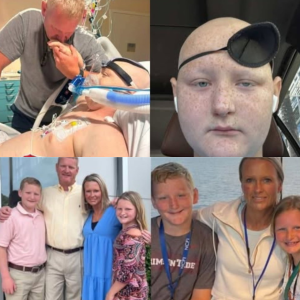
The heartbreaking news that Will Roberts is not returning home with his family has drawn widespread public attention and deep emotional resonance, uniting a community in grief…
XAVIER TAYLOR’S MRI HALTED JUST 5 MINUTES BEFORE SCANNING — A SUDDEN HIGH-LEVEL METAL ALARM TRIGGERED A FULL DEPARTMENT LOCKDOWN!hl
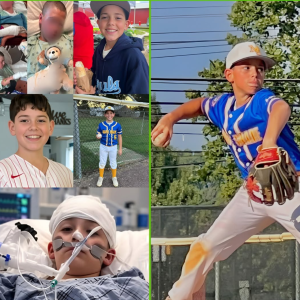
The latest verified reporting on 12-year-old Xavier Taylor offers hope—but not a confirmed breakthrough. Xavier was struck in the neck by an errant baseball during pregame warmups…

Ohio Father Said He Killed His Three Young Sons “For God” as Newly Released Video Reveals His Disturbing Mindset
CLERMONT COUNTY, OHIO — Newly released interrogation footage is providing the clearest look yet at what Chad Doerman told investigators after killing his three young sons in…

Florida Recovered 163 Missing Children — Now Investigators Must Answer the Questions No Family Wants to Ask
TAMPA — Florida has celebrated the recovery of 163 missing children. But behind the celebration is a disturbing reality: authorities say many of those children had been…
A Family Confronts Unimaginable Sorrow Following the Pᴀssing of Will Roberts
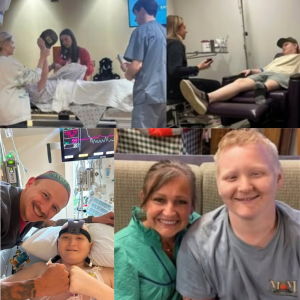
The Roberts family faces a profoundly difficult and heartbreaking reality as they return home without their beloved son, Will. The loss has drawn widespread attention and deep…