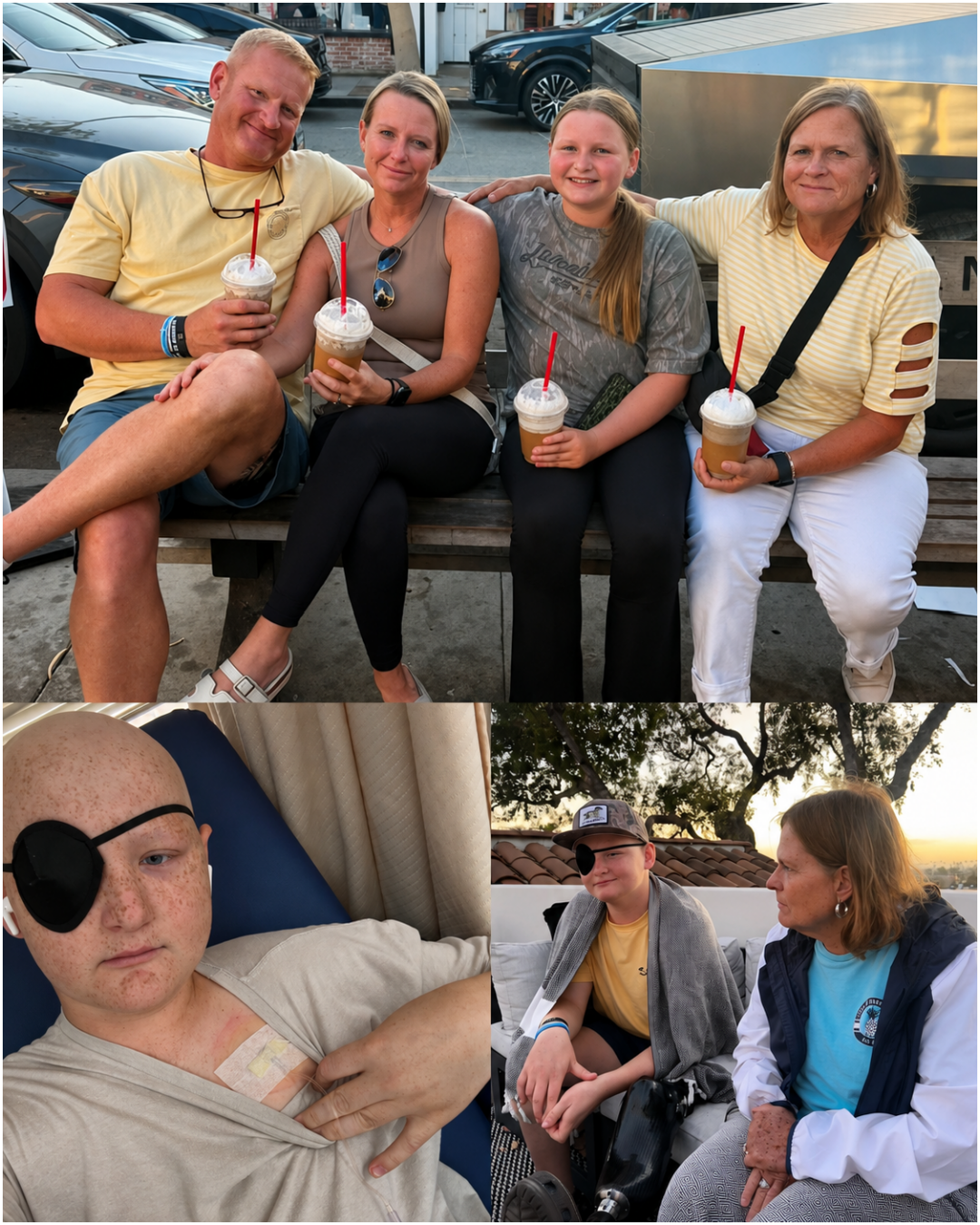
The Roberts family returned home carrying something no suitcase could hold: the weight of arriving without Will. After weeks shaped by treatment, hospitals, hope, fear, and prayer, the journey back to Alabama was no longer simply a trip home. It was the first return in which one beloved member of the family would not walk through the door with them.
Before leaving California, Jason, Brittney, Charlie, and Ms. Johnston shared one of Will’s favorite ice creams in his memory. On the surface, it was an ordinary family moment, the kind that might once have passed without much thought. This time, however, every spoonful carried a memory, and every empty space around the table seemed impossible to ignore.
There was something deeply symbolic about that final stop before the flight. Will had spent so much time in California receiving treatment for bone cancer, and the state had become tied to some of the family’s hardest days. Leaving it behind meant closing one chapter, but the family was returning to Alabama with a silence they had never known before.
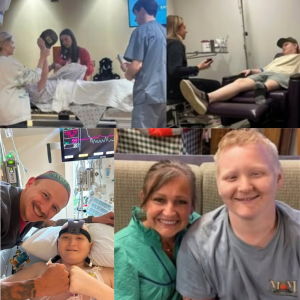
For months, their lives had revolved around medical appointments, treatments, scans, travel, and waiting. Even the most exhausting days had contained one constant: Will was there. Now, the routines that once felt overwhelming may suddenly feel strangely precious simply because he was part of them.
The family home in Ralph will still look familiar. Will’s room will still be there, along with the objects he touched, the places he sat, and the small traces of daily life that grief can transform into something almost sacred. Yet the house will also sound different.
There may be moments when someone expects to hear his footsteps. A door might open and, for half a second, the mind may imagine that Will is about to walk into the room. Grief often lives in those tiny seconds, when memory briefly becomes stronger than reality.

For Brittney and Jason, the return home may carry a particularly painful contradiction. Parents spend years trying to protect their children, believing that love, determination, and sacrifice can somehow keep the worst things away. Cancer is cruel partly because it can confront a family with the limits of everything they were willing to give.
Charlie, too, returns to a home altered by absence. The relationship between siblings is built from countless ordinary moments that rarely seem important until they can no longer happen again. A joke across the room, an argument, a shared snack, or simply knowing the other person is nearby can suddenly become a memory worth protecting.
And then there is the ice cream.
Why does such a small detail feel so powerful? Perhaps because grief often attaches itself to ordinary things rather than grand gestures. A favorite dessert can suddenly become a doorway into an entire lifetime of memories.
The image of the family sharing Will’s favorite treat carries another quiet mystery. Were they thinking about the same memory at the same moment? Did someone almost laugh because they remembered something funny he once said, only to feel guilty for smiling so soon after losing him?
Those are the emotional contradictions families often face after a death. Sadness can exist beside gratitude, and tears can arrive in the middle of laughter. Remembering someone honestly means accepting that love does not become solemn simply because the person is gone.
For a family grounded in faith, there may also be another question beneath the grief: where is Will now? No one on earth can prove what heaven looks like or describe what comes after death with certainty. But faith allows grieving families to imagine separation not as an ending, but as a distance that will someday disappear.
Perhaps that is why prayers for the Roberts family have carried so much emotional weight. They are not only prayers asking God to ease pain that cannot simply be erased. They are also prayers that Will is now somewhere beyond pain entirely.
For those who share that belief, there is comfort in imagining him free from hospital rooms, treatments, needles, exhaustion, and fear. The body that fought so hard no longer has to fight. The child his family remembers can simply be a child again.
Still, faith does not make the house less quiet. It does not remove the empty chair or make the first night home easier. Believing someone is safe in heaven can coexist with desperately wishing they were still sitting beside you on earth.

That may become one of the hardest lessons facing the Roberts family in the coming days. They will begin making funeral arrangements while still trying to understand how a life that filled their world can suddenly be spoken about in memories. There is no schedule for learning how to survive that kind of transition.
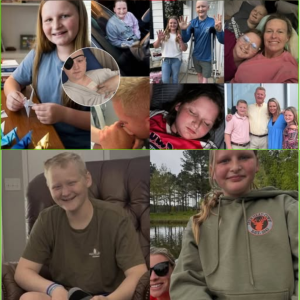
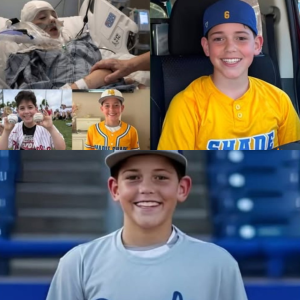
But the family will not enter those days alone. Thousands of people who followed Will’s journey have prayed, shared messages, and carried pieces of his story into their own lives. Some may never have met him, yet they came to care about a boy from Ralph, Alabama, whose fight reached far beyond his hometown.
That community cannot replace Will, and it cannot remove the family’s grief. What it can do is remind them that his life mattered far beyond the walls of their home. Every prayer, message, and remembered story becomes another small way of refusing to let his name disappear.
And perhaps that is the meaning hidden inside that simple photograph from California. It is not only a picture of a family eating ice cream after losing someone they loved. It is a portrait of people beginning the impossible task of carrying Will forward without being able to carry him home.
The Roberts family returned to Alabama with one seat painfully empty. Yet if love, memory, and faith can travel beyond what the eye can see, perhaps they did not truly make that journey without Will. Maybe they simply brought him home in a different way, in every memory, every prayer, and every quiet moment when his name still fills the room.