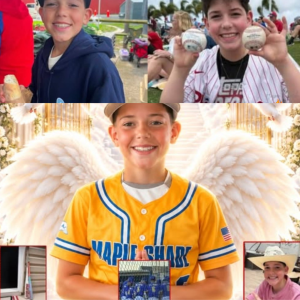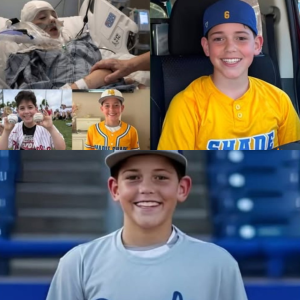
For months, Will Roberts’ name has been tied to brutal treatments, emergency hospital visits, and scans that left his family afraid to think too far into the future. The Alabama teenager has endured chemotherapy, surgeries, radiation, and other treatments while battling aggressive osteosarcoma. Then, only one month after imaging brought devastating news, a phone call from his oncology team changed the atmosphere around his family completely.
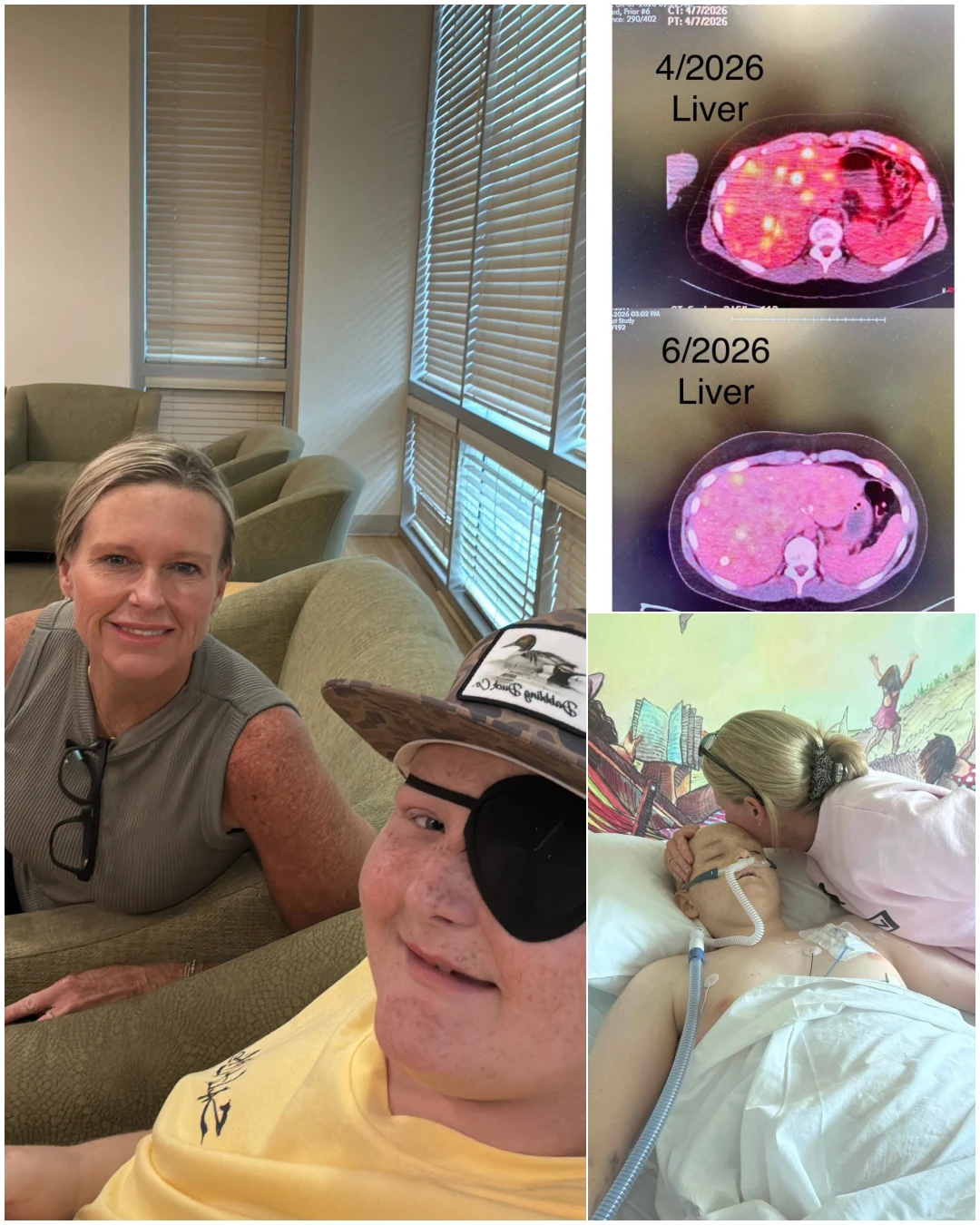
According to Will’s mother, an oncologist reviewing the newest scans compared them with images taken just one month earlier and was stunned by what he saw. The changes were significant enough that he reportedly questioned whether he was looking at the same patient. It was not a declaration of victory, but for a family that had grown painfully familiar with bad news, the reaction meant more than words could easily explain.
Only weeks earlier, Will’s condition had become especially frightening. Multiple tumors had been discovered in his head, including one positioned behind his eye, raising fears about his vision and possible neurological complications. Headaches, vomiting, and an emergency room visit ultimately led to the devastating discovery that the cancer had reached his brain.
For families facing advanced cancer, such findings are far more than lines on a radiology report. Tumors in sensitive areas can threaten vision, movement, communication, and quality of life, sometimes with terrifying speed. That is why even a small positive change on imaging can feel enormous when so much has already been taken away.

During the past month, Will has been in California receiving DeltaRex-G alongside immunotherapies, according to updates shared by his family. The disease remains active, and the cancer has not disappeared. Yet the changes doctors are now seeing have given the family something they had been desperately missing: a reason to believe the treatment may be making a difference.
Will’s mother, Brittney, made sure to keep the moment grounded in reality. “We still have ACTIVE disease. We are not claiming victory,” she wrote, making clear that the family understands how uncertain the road ahead remains. But after so many difficult setbacks, even cautious hope can feel almost overwhelming.
That may be the most powerful part of Will’s story right now: how quickly despair and hope can exist beside each other. Not long ago, he was speaking openly about being afraid of losing his vision because of the tumor behind his eye. Today, his family is discussing scan changes that finally gave them a phone call they had been praying to receive.
Cancer does not only attack the body. It steals normal routines, future plans, sleep, confidence, and the basic assumption that tomorrow will look anything like today. For a child or teenager, that cruelty can feel even sharper because hospital rooms replace classrooms, treatments replace weekends, and medical language arrives long before it ever should.
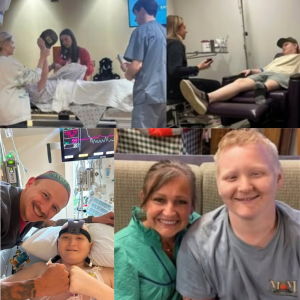
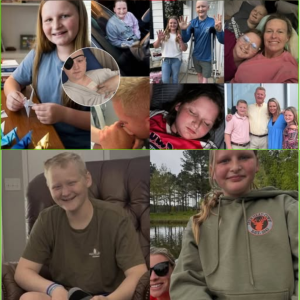
Will has lived inside that reality for roughly 18 months. Chemotherapy sessions, surgeries, radiation appointments, and difficult recoveries have become part of a life that should have been filled with ordinary teenage milestones. Yet according to his family, he has repeatedly said that he is not fighting only for himself, but also for children who may one day face the same disease.
Perhaps the most emotional moment in the latest update did not happen in a hospital at all. Brittney shared that Will sat on a rooftop overlooking the Pacific Ocean with his grandmother and smiled more than she had seen him smile in a very long time. After months dominated by frightening scans and painful conversations, something as simple as that smile suddenly carried extraordinary meaning.

The family still faces serious uncertainty. Radiation has been started with hopes of helping the tumor behind Will’s eye, and future scans will determine whether the progress doctors are seeing continues. No one can responsibly predict what the next imaging study will show, and the family itself has made clear that this is not the end of the fight.
Still, hope matters differently when it comes after months of bad news. It does not erase active disease, and it does not guarantee what comes next, but it can give a family enough strength to keep moving through another appointment, another treatment, another difficult morning. In Will’s case, that hope arrived in the form of scan results that looked meaningfully different from those taken only weeks earlier.
Will Roberts’ journey is therefore about more than cancer alone. It is about the fragile space between one scan and the next, when a family learns to live with fear without surrendering completely to it. One month ago, the images seemed to confirm their worst fears; today, another set of images has given them something entirely different.
The fight is not over, and neither Will nor his family is pretending otherwise. But after so much pain, they finally received a reason to smile, pray, and look toward the next step with a little more strength. Sometimes, in a battle this long and this cruel, one hopeful phone call can make hope feel louder than fear.